Best Rank Tracking Software: Track Decisions, Not Vanity Positions
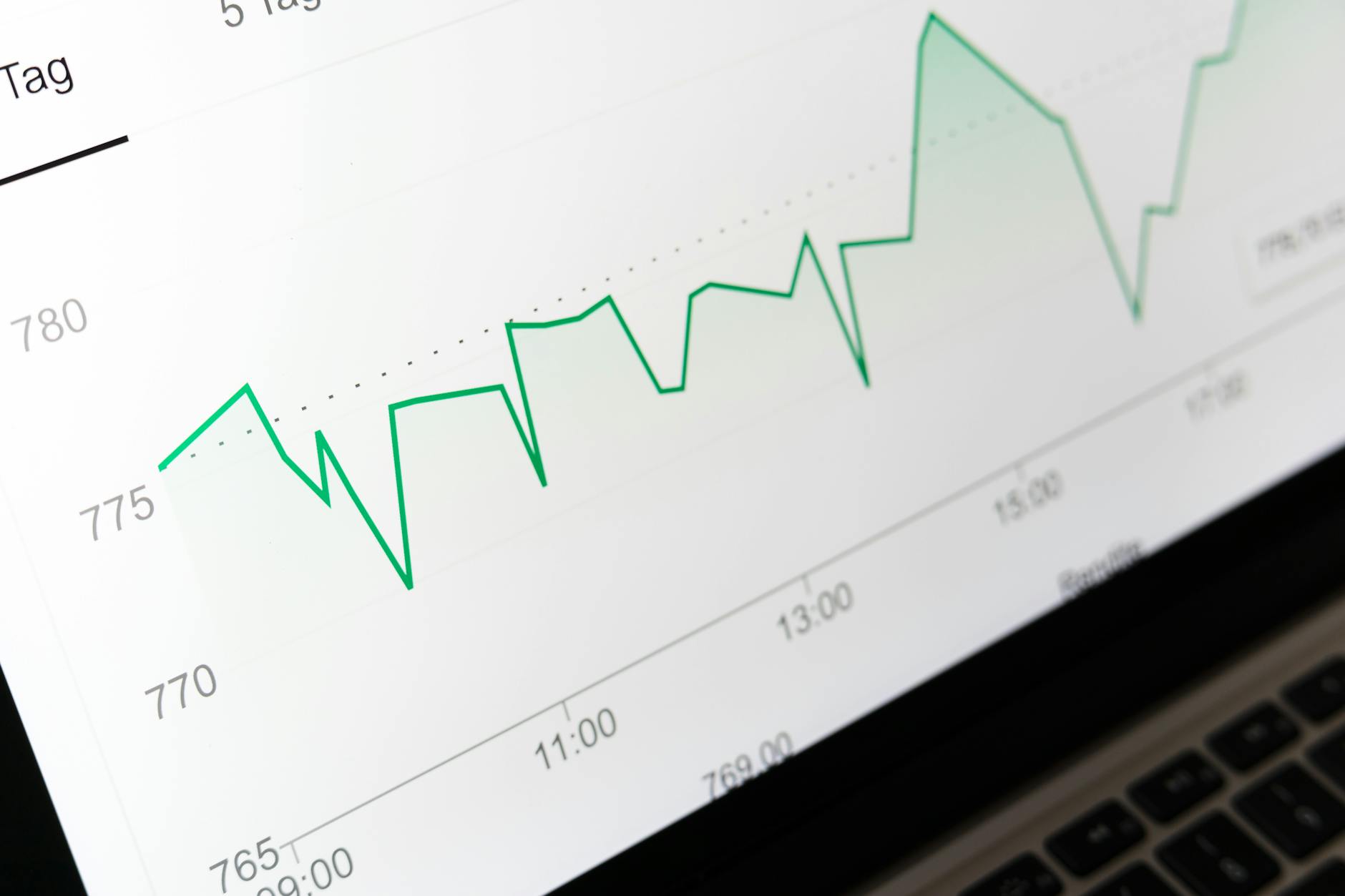
A rank tracker is worth buying when it preserves the context behind SERP changes and connects them to clicks, visibility, and business decisions. There is no universally best platform: choose the least expensive tool that covers your locations, devices, result types, history, and reporting needs.
Table of Contents
- What should rank tracking software actually measure?
- Which rank tracking tools fit which buyer?
- How should you compare rank trackers?
- Why is Google Search Console not a daily rank tracker?
- How do AI answers change rank tracking?
- Which rank tracker should you choose?
- Frequently Asked Questions
What should rank tracking software actually measure?
A useful rank tracker records a reproducible SERP observation—query, location, device, time, result type, and landing page—and shows whether the change affects clicks or decisions. A position number without collection context is false precision.
A credible record identifies the keyword, search engine, country or city, device, date, ranking URL, and relevant SERP features. Results can differ by location and search history. Google explains that average position in Search Console represents the topmost position of a property or page across impressions, so a manual search may differ. Google’s metric definitions are essential when interpreting reports.
Good tracking should show:
- Which pages gain or lose visibility.
- Whether changes are isolated or broader volatility.
- Whether important markets improve.
- Whether visibility produces impressions, clicks, leads, or sales.
- Which SERP features appear alongside or instead of traditional results.
Useful software preserves history, shows ranking URLs, supports tags and segments, and allows branded and non-branded comparisons. Competitor visibility adds context but does not replace outcome data. Search Console reports actual Google impressions and clicks; a third-party tracker complements it with controlled observations.
Which rank tracking tools fit which buyer?
Search Console suits site owners validating Google outcomes; lightweight checkers suit occasional spot checks; Wincher-style tools suit straightforward campaign monitoring; enterprise suites suit multi-site reporting and integrations. Fit depends on scale and decision frequency, not the longest feature list.
| Tool or category | Best fit | Strongest evidence | Main limitation | Buying trigger |
|---|---|---|---|---|
| Google Search Console | Site owners validating Google outcomes | Real impressions, clicks, CTR, and averaged position | Not a fixed daily SERP grid | You need outcome evidence first |
| Seobility free checker | Occasional spot checks | Quick current result for a query and location | Limited history and recurring monitoring | You need a fast manual check |
| Wincher | Straightforward campaign monitoring | Focused keyword and competitor tracking | May not suit complex enterprise workflows | You need accessible recurring reports |
| Semrush Position Tracking | Marketers needing broad SEO analysis | Position history, segmentation, and SERP context | Broader suites add complexity and cost | You need tracking connected to wider SEO work |
| Enterprise/API-first tracker | Agencies, large brands, and technical teams | Scalable datasets, exports, integrations, and workflows | More setup and governance required | Manual reporting no longer scales |
These categories are directional. Wincher describes focused rank monitoring, while Semrush presents Position Tracking within a broader SEO platform. Wincher and Semrush Position Tracking show those different product shapes.
Free tools are reasonable for a single check but less suitable for determining whether rankings changed consistently across weeks, locations, devices, or landing pages.
Plan limits and prices change. Any price discussed or displayed here should be treated as checked on 2026-09-02; recheck the provider’s checkout page before buying.
 Photo by Atlantic Ambience on Pexels
How should you compare rank trackers?
Compare refresh frequency, geographic depth, mobile and desktop support, SERP-feature capture, competitor sets, tagging, history, exports, API access, alerts, and per-keyword cost. Trial the tool on your own queries because advertised coverage can hide workflow friction.
Start with the decision the tool must support. Local SEO may prioritize city-level accuracy; ecommerce may prioritize product and shopping results; content teams may need landing-page and cannibalization views.
Ask whether it covers the required countries, cities, languages, and search engines; separates mobile and desktop observations; captures relevant SERP features; shows ranking URLs; supports tags, exports, APIs, alerts, client access, and sufficient history; and uses pricing that fits your keywords, projects, users, or locations.
Use your highest-value keywords in a trial. Test local, branded, non-branded, mobile, and feature-heavy queries. Daily tracking can help with launches, technical changes, or volatile markets; weekly tracking may suit slower content programs. Frequency cannot compensate for a poorly chosen query set.
Why is Google Search Console not a daily rank tracker?
Search Console reports real impressions, clicks, CTR, and averaged positions, making it essential outcome evidence. It does not provide a neutral, fixed-location daily snapshot for every keyword, so it is not a one-for-one substitute for controlled tracking.
Search Console measures Google Search performance across queries, pages, countries, devices, impressions, clicks, CTR, and average position. Average position is aggregated across impressions, with the topmost result for a page or property influencing the report. Different users and occasions can produce an average no individual searcher sees.
Google also notes that Performance report data may be aggregated, filtered, or truncated. See Google’s Performance report data guidance.
Use Search Console for observed Google demand and outcomes, a rank tracker for repeatable SERP observations, and both when diagnosing whether visibility changes matter. Google recommends focusing on impression and click trends rather than position alone. Its Performance report use cases support that approach.
 Photo by Yan Krukau on Pexels
How do AI answers change rank tracking?
AI Overviews and answer engines can reduce clicks or mention brands outside traditional rankings. Monitoring should pair Google positions with SERP features, clicks, and AI-answer visibility instead of treating rank one as equivalent traffic everywhere.
Track traditional organic position and ranking URL, SERP features affecting attention or clicks, and impressions, clicks, conversions, and qualified visits.
For AI answers, preserve the exact prompt, date, model or interface, location when available, answer text, citations, and whether your brand or page was mentioned. Treat each answer as an observation requiring source-level verification because generated answers can change and summarize sources imperfectly.
A focused workflow can extend conventional tracking through AI rank tracking or an LLM rank tracker. These should not displace query, SERP, click, and conversion analysis.
Which rank tracker should you choose?
Choose the least expensive tool that reliably captures the markets, devices, features, and history needed for a recurring decision. Keep Search Console as outcome truth, preserve sample SERPs, and upgrade when manual gaps cost more than software.
For occasional checks, a free checker may be enough. Seobility’s Ranking Checker is designed for quick inspection rather than complete historical monitoring.
For small or mid-sized campaigns, choose a focused tracker when its location coverage, reporting, and keyword limits match your workflow. If considering Wincher, compare its plan structure with your needs using this Wincher pricing guide, then verify current checkout details.
For broader SEO teams, Semrush may make sense when tracking must connect with keyword research, competitors, site audits, or content work. Agencies and large organizations should prioritize API behavior, export completeness, retention, permissions, rate limits, and location-specific reporting.
One tool need not answer every question. A practical stack may use Search Console for outcomes, a rank tracker for controlled observations, and a separate workflow for AI-answer monitoring.
Frequently Asked Questions
What is rank tracking software?
Rank tracking software records where specified queries appear under defined conditions such as location, device, and date. It stores those observations to reveal trends, compare competitors, inspect SERP features, and connect visibility changes with clicks or business outcomes.
Is Google Search Console a rank tracker?
Google Search Console is a performance measurement tool, not a complete daily rank tracker. It reports impressions, clicks, CTR, and averaged positions from actual Google activity. Use it alongside controlled SERP observations when you need outcome data and repeatable ranking evidence.
Are free rank tracking tools accurate?
Free tools can help with a current spot check, but accuracy depends on the query, location, device, freshness, and result type. They generally provide less history and automation, so validate important findings with recurring tracking and Search Console data.
How often should rankings be checked?
Check rankings as often as the decision requires. Weekly monitoring often suits stable content programs; daily checks can help during launches, migrations, or volatile changes. Compare movement with impressions, clicks, SERP features, and conversions before treating it as important.
FAQ
What is rank tracking software?+
Rank tracking software records where specified queries appear under defined conditions such as location, device, and date. It stores those observations to reveal trends, compare competitors, inspect SERP features, and connect visibility changes with clicks or business outcomes.
Is Google Search Console a rank tracker?+
Google Search Console is a performance measurement tool, not a complete daily rank tracker. It reports impressions, clicks, CTR, and averaged positions from actual Google activity. Use it alongside controlled SERP observations when you need outcome data and repeatable ranking evidence.
Are free rank tracking tools accurate?+
Free tools can help with a current spot check, but accuracy depends on the query, location, device, freshness, and result type. They generally provide less history and automation, so validate important findings with recurring tracking and Search Console data.
How often should rankings be checked?+
Check rankings as often as the decision requires. Weekly monitoring often suits stable content programs; daily checks can help during launches, migrations, or volatile changes. Compare movement with impressions, clicks, SERP features, and conversions before treating it as important.
Sources
Is AI recommending you?
Run a free AI visibility audit and find out in under a minute.